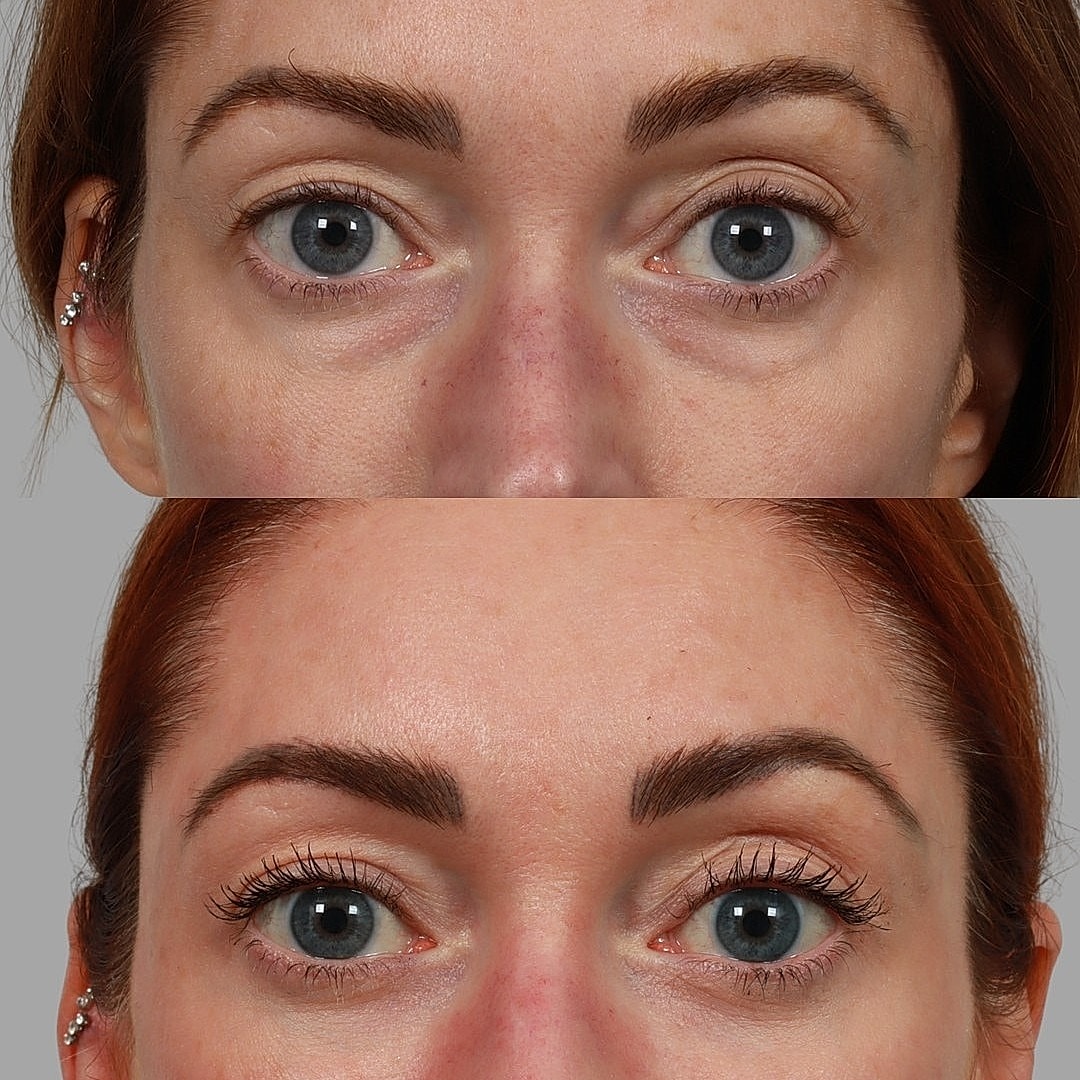
The Smallest Change Can Change Everything
The eyes are often the first thing people notice, and the first place time tends to leave its mark. Sagging upper lids, puffiness beneath the eyes, or droopy corners can add years to your expression, even when you're rested. At Locketz Facial Plastic Surgery in Denver blepharoplasty isn’t just about looking less tired. It’s about restoring the natural structure of your eyelids to match how you feel inside: alert, energized, and at ease in your skin.
Dr. Garrett Locketz, a board-certified facial plastic surgeon, performs both upper eyelid blepharoplasty and lower eyelid surgery using a precise, anatomy-informed approach that protects function while enhancing form. Every move is subtle. Every decision is based on your unique eyelid anatomy, skin texture, and the way your eyes relate to your overall facial appearance.
1 of 15
Eyes Tell All
Blepharoplasty, often referred to as eyelid surgery, is a surgical procedure designed to improve the appearance—and sometimes function—of the upper and lower eyelids. Over time, the natural aging process leads to excess skin, fat displacement, and muscle weakness in the eyelids. This can cause visual obstruction, deep creases, under-eye bags, and a general look of fatigue.
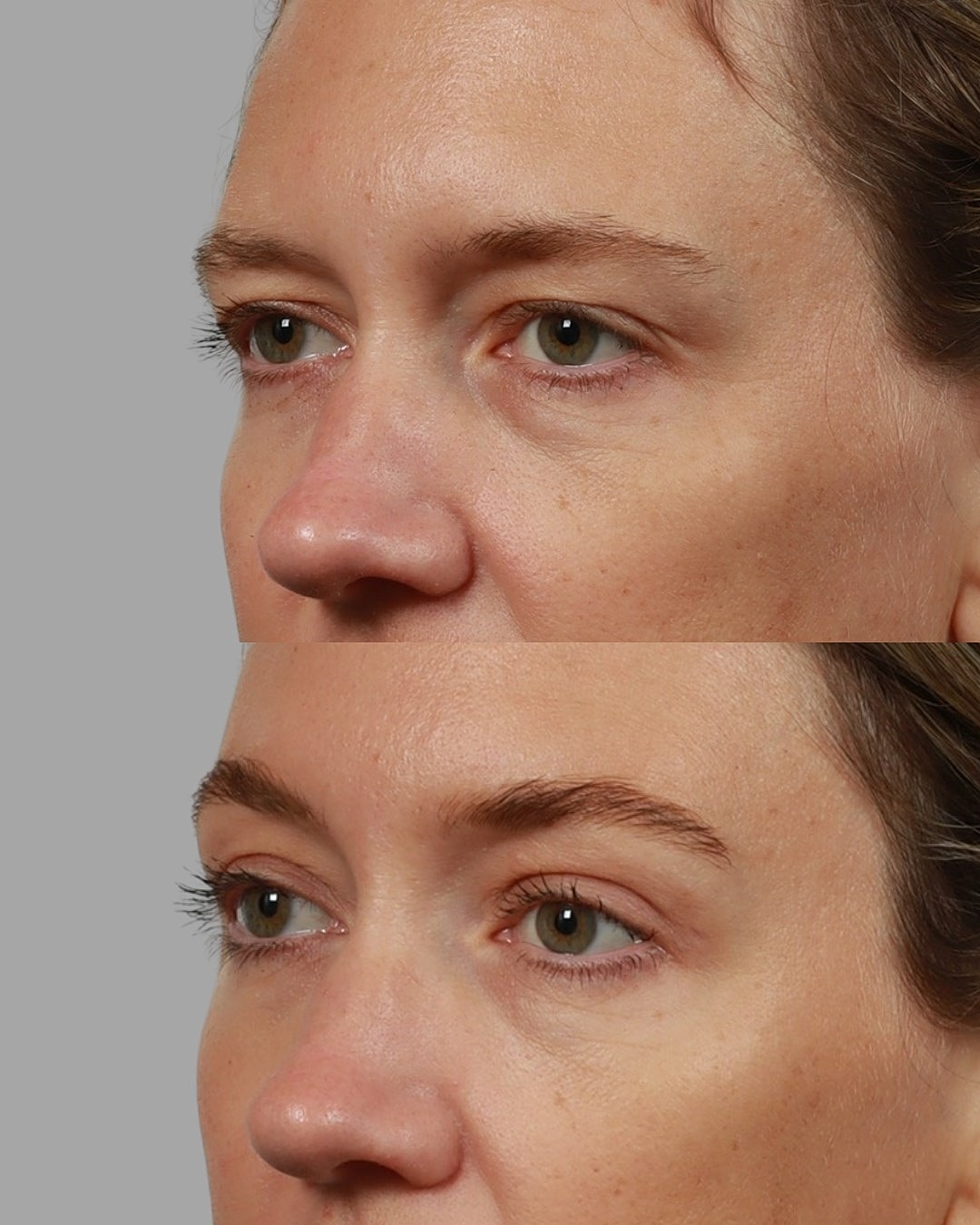
Upper eyelid surgery typically focuses on removing drooping skin and restoring the natural crease of the lid. In contrast, lower eyelid blepharoplasty aims to smooth puffiness and reposition fat pads to minimize shadows and dark circles.
For some patients, eyelid ptosis (muscle laxity) may need to be addressed during surgery. In these cases, a combined functional and aesthetic approach is taken.

When skin above the eyes becomes redundant, it can fold over the lash line or give the eyes a hooded, tired appearance. In some cases, this interferes with vision, especially in the outer field. Upper blepharoplasty carefully removes excess skin and, if needed, tightens underlying muscle and repositions fat.
Incisions are typically placed in the natural crease of the upper eyelid, where they heal discreetly. The result is smoother, more visible upper lids and a more open gaze—often making the entire face look more energized.
For some patients, Dr. Locketz may recommend combining this with a brow lift if the droop originates in the forehead rather than the eyelid itself.
The lower eyelids are more complex and more delicate. Fat pads that once cushioned the eyes can push forward or sink downward, creating bags or dark circles. Lower blepharoplasty may involve:
Dr. Locketz uses a transconjunctival approach (from inside the eyelid) when possible to avoid visible scarring. Every surgical plan is based on a close assessment of anatomy and aesthetic goals.
While eyelid surgery is a structural change, the impact is deeply emotional. After a blepharoplasty, Denver patients describe the outcome as a shift in how they feel and how they show up in the world.
Improvements include:
These results are enduring, often turning back the clock by a decade and reducing the need for future maintenance treatments.

Tired Eyes, Meet Your Match
Most patients are adults noticing a disconnect between how they feel and what they see in the mirror. If drooping eyelids, under-eye puffiness, or sagging lower lid skin are altering your facial structure or making you appear constantly tired, blepharoplasty may help.
Candidates should be in good general health, non-smokers, and have realistic expectations. Some are referred for reconstructive surgery after trauma or Mohs surgery, while others are exploring cosmetic enhancements as part of a larger facial rejuvenation plan.
Precision Starts Before the Procedure
Dr. Locketz will assess your medical history, current medications, eye health, and eyelid anatomy. Photos and measurements are taken to plan a custom approach. This consultation also explores whether you might benefit from complementary procedures, like a brow lift, forehead lift, or dermal fillers to the tear troughs.
Eyes on Your Next Step
In a city like Denver, where the sun is strong and the altitude intensifies signs of facial aging, maintaining a refreshed look without compromising eye function is key. At our office in Denver blepharoplasty surgery offers patients a path to clearer vision, smoother eyelid skin, and more confident interactions.
Whether the goal is improved peripheral vision or a subtle shift in how you appear on video calls and in person, this procedure delivers real, visible change
Small Incisions, Subtle Reshaping, Big Impact
Blepharoplasty is an out-patient procedure that’s customized to your specific needs using local anesthesia, IV sedation, or general anesthesia. Dr. Locketz approaches this surgery as a delicate architectural adjustment—removing what is redundant while preserving the vital volume that keeps the eye looking youthful.
The entire process usually typically takes up to two hours. Because the eyes are central to facial harmony, this procedure is frequently paired with other rejuvenation efforts, such as a brow lift or laser resurfacing, for optimal balance.
Recovery looks different for every patient, but most experience swelling and bruising that gradually subsides within the first five to ten days. Stitches, if placed externally, are typically removed within a week. You’ll likely feel comfortable resuming light activities after about a week, but anything more strenuous should wait at least two to three weeks to allow proper healing.
Cold compresses can help reduce inflammation during the early days, and Dr. Locketz will provide clear pain management guidance tailored to your procedure and comfort level. Keeping your head elevated while resting is another simple but effective way to encourage faster recovery. Most patients begin to notice a refreshed, smoother facial profile within a few weeks, and many report feeling more like themselves even before the swelling has fully resolved.
The results speak softly but clearly. Eyes look brighter. Expressions read less harsh. Makeup sits better.
Over time, the scar blends into the lid and lash lines. Your natural appearance is preserved—even enhanced—with less visual bulk and better lid support.
While the natural aging process continues, the improvements are long-lasting. Most patients experience results that last ten years or more, especially when combined with sun protection and regular skin maintenance.
Mile-High Views, Lifted Lids
Unlike generic eyelid lifts that take a one-size-fits-all approach, Dr. Locketz designs each procedure based on structural nuance. His training in both facial plastic and reconstructive surgery allows him to refine the eyes while protecting the natural architecture and avoiding hollowness, asymmetry, or stiffness. His outcomes prioritize expression, subtlety, and harmony, not just removal.

If your eyes no longer reflect how awake and engaged you feel, it may be time to consider blepharoplasty in Denver. At Locketz Facial Plastic Surgery, your eyelids are treated with care, skill, and a precise sense of proportion. Contact us to schedule a personal consultation.
Yes, if heavy, hooded upper eyelids are resting on your lashes and obstructing your peripheral sight, removing that excess skin will restore your full field of vision.
Most patients describe the sensation as "tight" or "congested" rather than painful, and many manage comfortably with Tylenol after the first few days.
They are the same procedure; "eyelid lift" is simply the common term for blepharoplasty, though it shouldn't be confused with a brow lift, which elevates the forehead.
While lasers or CO2 treatments can tighten mild crepey skin, surgery is the only effective way to remove significant excess skin or bulging fat pads.
You should choose a board-certified facial plastic surgeon who specializes specifically in the intricate anatomy of the face and eyes to ensure both safety and aesthetic precision.
Absolutely. Eyelid surgery is frequently paired with a facelift, brow lift, or laser resurfacing to ensure the entire face is rejuvenated harmoniously.
Yes, Dr. Locketz specializes in reconstructive techniques to restore both the function and natural appearance of the eyelid following skin cancer removal.
No, Dr. Locketz uses a conservative approach that preserves your natural eye shape and volume, ensuring you look rested and refreshed rather than "done."
You should be socially presentable at about two weeks post-op, though the final, settled contour typically emerges fully around the 3-month mark as internal swelling vanishes.
Eyelid skin heals remarkably well, and incisions are strategically hidden within natural creases or inside the lid to ensure scars are virtually undetectable.